
Block Paving vs. Resin-Bound Surfaces: Which is Right for Your Home?
PP
Understanding Block Paving
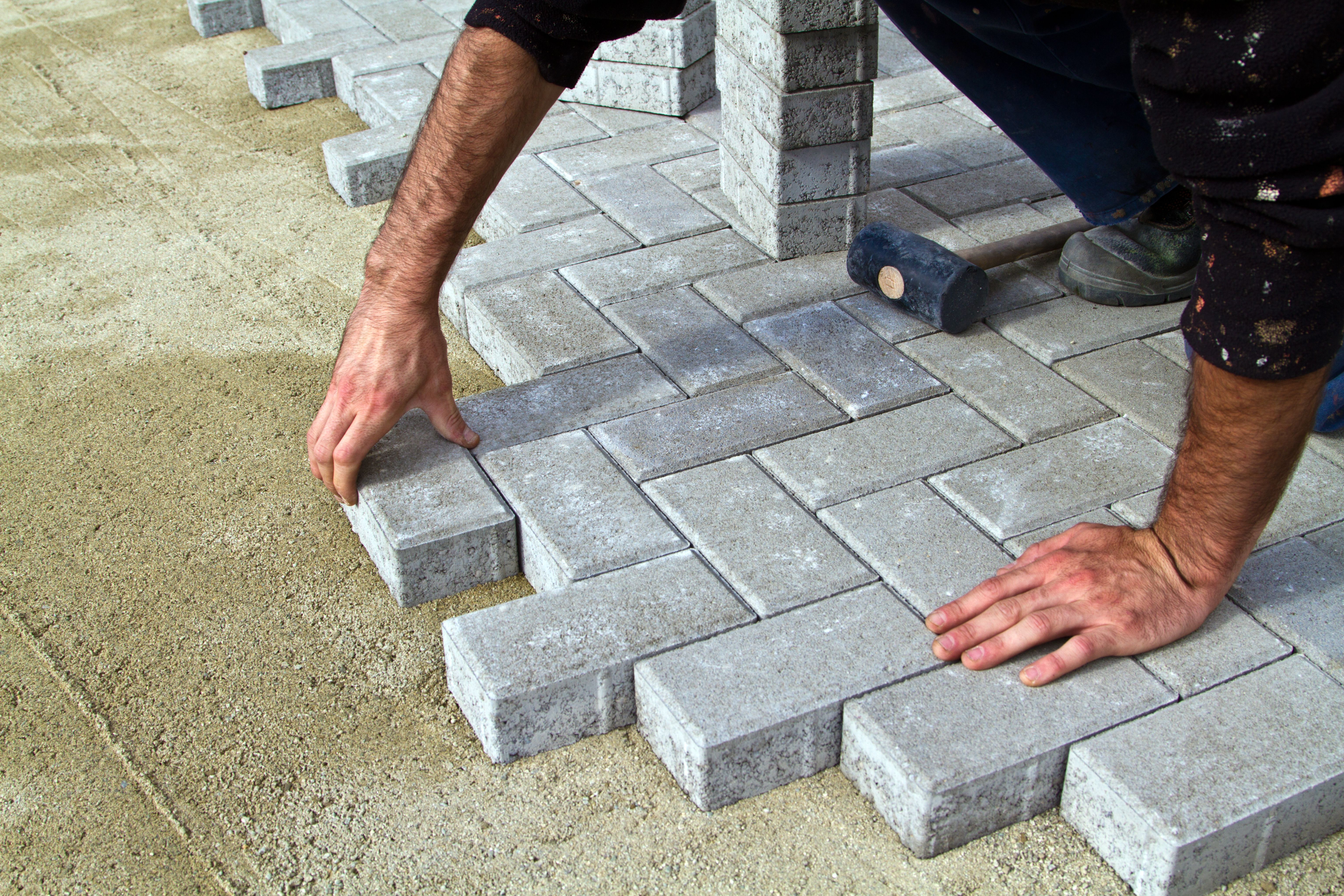
Block paving, also known as brick paving, involves laying individual blocks or bricks in a pattern to create a durable surface. It is a popular choice for driveways, patios, and pathways due to its sturdy nature and aesthetic appeal. Block paving offers numerous design options, allowing homeowners to customize patterns and colors to match their home's style.
One of the main benefits of block paving is its durability. The individual blocks can withstand heavy loads, making them ideal for driveways. Additionally, if a block becomes damaged, it can be easily replaced without disturbing the surrounding area, ensuring a long-lasting surface.
Exploring Resin-Bound Surfaces
Resin-bound surfaces are created by mixing aggregate stones with a clear resin, which is then poured onto a prepared surface. This method provides a smooth, seamless finish that is both attractive and functional. Resin-bound surfaces are known for their permeability, allowing water to drain through and reducing surface water runoff.
This option is particularly appealing for those seeking a modern look. The wide range of available colors and finishes allows homeowners to create a surface that complements their home’s exterior. Additionally, resin-bound surfaces are low-maintenance, requiring only occasional cleaning to maintain their appearance.

Comparing the Costs
When it comes to cost, both block paving and resin-bound surfaces have their considerations. Block paving generally has a lower initial cost due to the availability of materials and straightforward installation processes. However, the long-term maintenance costs may add up, especially if individual blocks need replacement.
On the other hand, resin-bound surfaces might have a higher initial cost, but their low maintenance requirements can make them more cost-effective in the long run. It’s crucial to weigh these factors against your budget and maintenance preferences.
Installation and Maintenance
The installation process for block paving involves digging out the desired area, laying a sub-base, and then setting the blocks in your chosen pattern. This method requires skilled labor, and proper preparation is essential to avoid issues like shifting or uneven surfaces.
Resin-bound surfaces, while requiring professional installation, are generally quicker to lay. The resin and aggregate mixture is poured and troweled to create a smooth finish. Maintenance primarily involves keeping the surface clean and free from debris to prevent moss and weed growth.
Environmental Considerations
Both options offer environmental benefits. Block paving allows for water permeability if gaps are left between the blocks, while resin-bound surfaces are naturally porous, aiding in water drainage. Choosing permeable solutions helps reduce the risk of flooding and supports sustainable urban drainage systems.
Additionally, many manufacturers offer eco-friendly options, using recycled materials in both block paving and resin-bound surfaces. This can further enhance the environmental benefits of your chosen surface.
Making the Right Choice
Deciding between block paving and resin-bound surfaces ultimately depends on your specific needs and preferences. Consider factors such as the desired aesthetic, budget, maintenance willingness, and environmental impact. Both options offer unique advantages and can significantly enhance the curb appeal and functionality of your home.
Consulting with a professional installer can provide further insights into which option best suits your property, ensuring a choice that adds value and beauty to your home for years to come.