
Choosing Between Resin-Bound and Tarmac Driveways
PP
Introduction to Driveway Options
When it comes to enhancing the curb appeal and functionality of your home, choosing the right driveway material is crucial. Two popular options are resin-bound and tarmac driveways. Each has its unique advantages and considerations, making the decision a bit challenging for homeowners.
Understanding Resin-Bound Driveways
Resin-bound driveways are made by mixing aggregate stones with a clear resin. This mixture is then laid onto a prepared surface to create a smooth, permeable finish. One of the most appealing features of resin-bound driveways is their stunning visual appeal. They offer a wide range of color options, allowing homeowners to customize the look to complement their property's aesthetic.
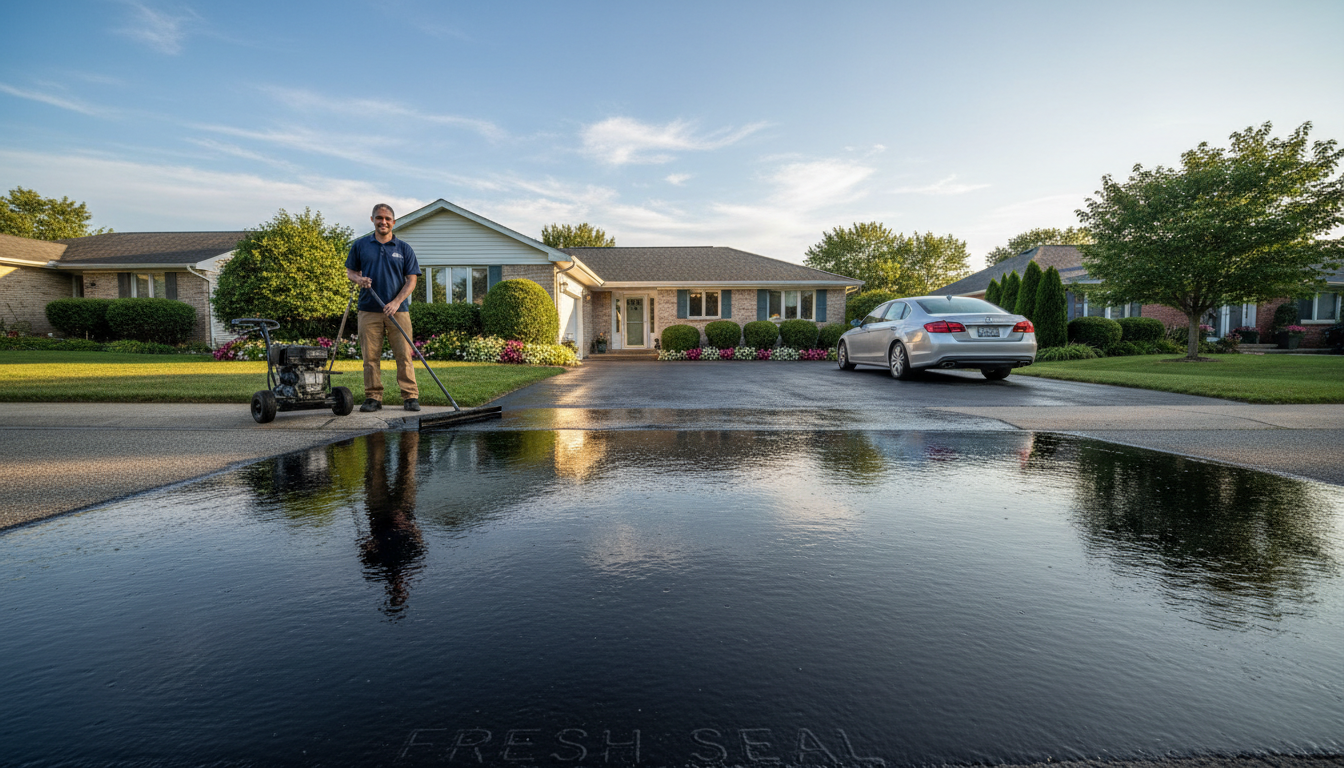
Beyond aesthetics, resin-bound driveways are known for their durability and low maintenance requirements. The permeable nature of the material allows water to drain through, reducing the risk of puddles and ice formation. This can be particularly beneficial in areas prone to heavy rainfall.
Exploring Tarmac Driveways
Tarmac, or asphalt, driveways are a classic choice for many homeowners. Known for their robustness, tarmac surfaces are ideal for withstanding heavy traffic and adverse weather conditions. This makes them a practical choice for families with multiple vehicles or those living in areas with harsh climates.
Another advantage of tarmac driveways is their cost-effectiveness. They tend to be more affordable than resin-bound options, both in terms of initial installation and maintenance. Additionally, tarmac surfaces can be quickly repaired, making them a convenient option for busy homeowners.
Comparing Aesthetics and Customization
When it comes to aesthetics, resin-bound driveways offer greater versatility. With a variety of colors and textures available, homeowners can create a bespoke look that enhances their property's appeal. Tarmac, on the other hand, typically comes in a standard black finish, which may not suit all design preferences.
Furthermore, resin-bound driveways can incorporate intricate patterns and designs, adding a touch of elegance and sophistication. This level of customization makes them a preferred choice for those prioritizing visual impact.
Maintenance and Longevity
Both resin-bound and tarmac driveways are relatively low-maintenance, but there are differences to consider. Resin-bound surfaces require occasional cleaning to maintain their appearance, while tarmac may need periodic resealing to prevent cracks and maintain its integrity.
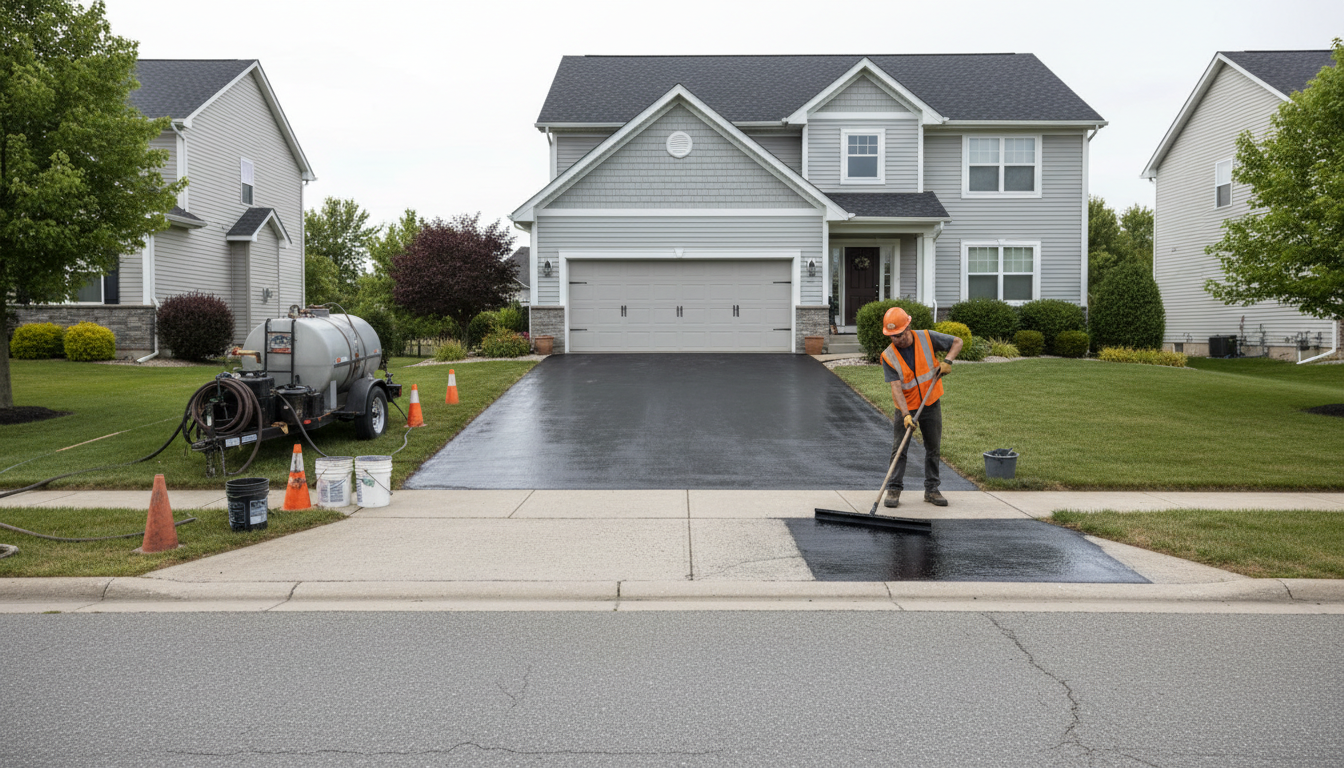
In terms of longevity, both materials offer impressive durability. However, the longevity of a driveway largely depends on the quality of installation and the level of maintenance provided over the years.
Environmental Considerations
Environmental impact is an important factor for many homeowners. Resin-bound driveways are permeable, which helps manage surface water and reduce flooding risks. This sustainable feature makes them an environmentally friendly choice.
In contrast, tarmac driveways are non-permeable, meaning they can contribute to water runoff if not properly managed. However, advancements in tarmac production have improved its environmental footprint, making it a more sustainable option than it has been historically.
Conclusion: Making Your Decision
Choosing between resin-bound and tarmac driveways ultimately depends on your priorities. If aesthetics and customization are your main concerns, a resin-bound driveway might be the perfect fit. However, if durability and cost-effectiveness are more important, a tarmac driveway could be the ideal choice.
Consider the specific needs of your property, your budget, and your personal preferences when making your decision. Whichever option you choose, both resin-bound and tarmac driveways offer excellent solutions for enhancing your home's exterior.