
Expert Tips on Choosing Between Resin-Bound and Block Paving
PP
Understanding Resin-Bound and Block Paving
When it comes to enhancing your outdoor space, choosing the right paving solution is crucial. Resin-bound and block paving are two popular options, each offering unique benefits and aesthetics. Understanding their differences can help you make an informed decision that best suits your needs.
Resin-bound paving combines aggregates with a clear resin to create a smooth and durable surface. This type of paving is known for its permeability, allowing water to drain through easily, reducing surface water and puddles. On the other hand, block paving uses individual bricks or blocks laid in patterns, offering a more traditional look with a wide range of color and design options.
Durability and Maintenance
When considering paving options, durability is a key factor. Resin-bound surfaces are highly durable and require minimal maintenance, making them an excellent choice for busy households. They resist weed growth and are less prone to discoloration and staining compared to other surfaces.
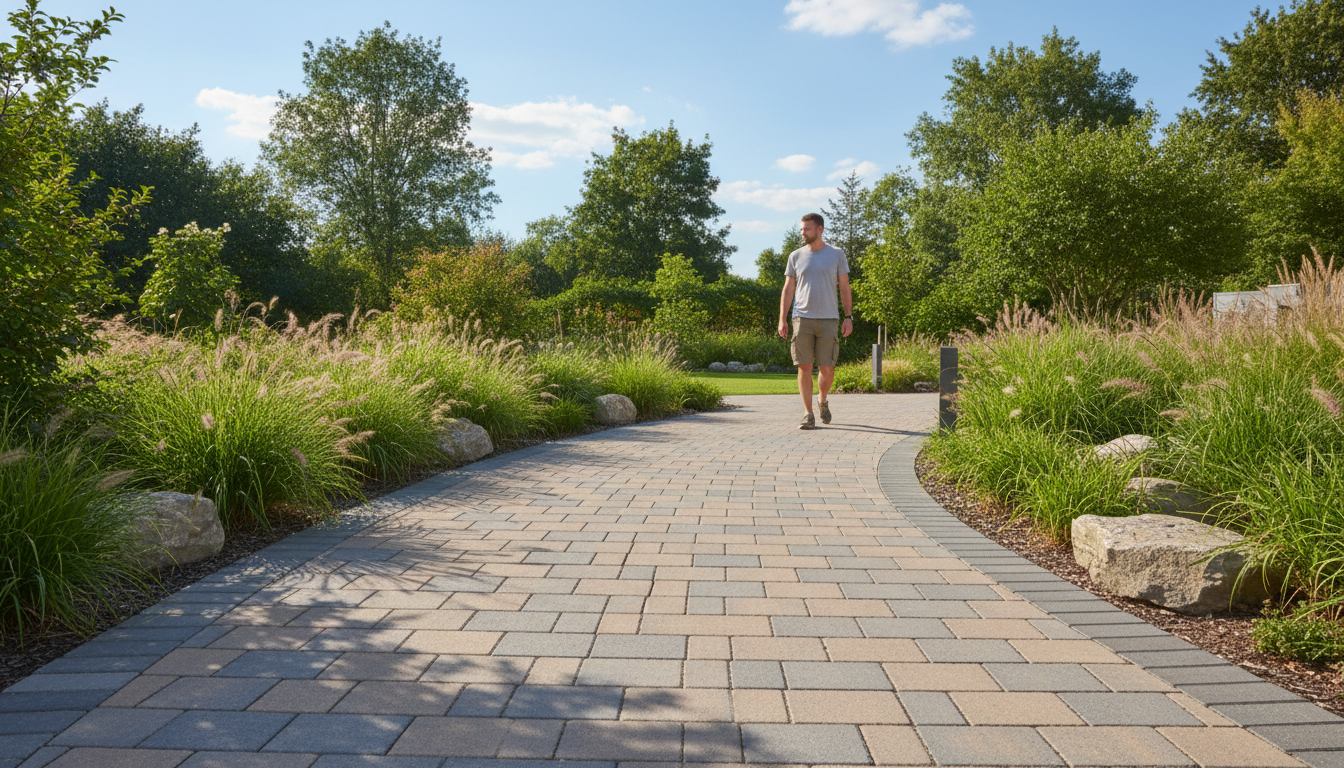
Block paving, while also durable, may require more maintenance over time. The individual blocks can shift or become loose, especially if the ground beneath them moves. Regular maintenance such as re-sanding and sealing can help maintain their appearance and stability.
Aesthetic Appeal
Aesthetic appeal is another important consideration. Resin-bound paving offers a sleek and modern look with a seamless finish. It comes in a variety of colors and textures, allowing for customization to match your home’s style.
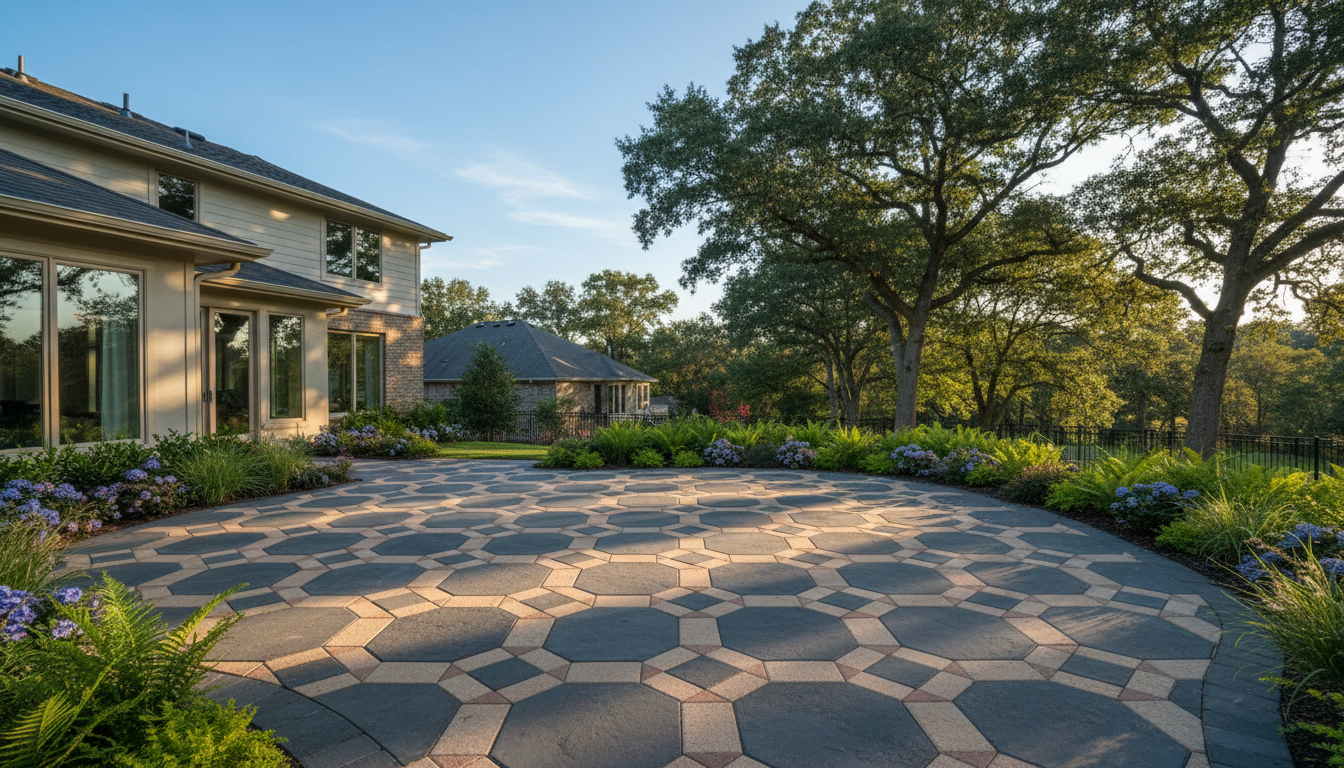
Block paving, meanwhile, provides a classic and timeless appearance. The variety of shapes, colors, and patterns available make it a versatile choice for different design preferences, from contemporary to traditional.
Environmental Impact
Considering the environmental impact is essential when choosing paving materials. Resin-bound surfaces are environmentally friendly due to their permeability, reducing runoff and aiding local drainage systems. They help in managing rainwater sustainably and can contribute to reducing the risk of flooding.
Block paving can also be environmentally friendly if constructed with permeable materials. However, traditional block paving might not offer the same level of permeability as resin-bound options, which means proper drainage solutions might be necessary.
Cost Considerations
Budget is often a significant factor in paving decisions. Resin-bound paving can be more expensive initially due to the materials and installation process. However, its low maintenance requirements can offer savings over time.
Block paving might be more cost-effective upfront, but potential maintenance costs should be considered. The need for periodic repairs or adjustments can add to the overall expense over the years.
Making the Right Choice
Ultimately, the decision between resin-bound and block paving will depend on your specific needs and preferences. Consider factors such as durability, aesthetic appeal, environmental impact, and budget to determine the best option for your project.
Consulting with a professional can also provide valuable insights and help you make a well-informed choice. Whether you prioritize a modern look or a classic design, both paving options offer incredible potential to enhance your outdoor space.