
How to Choose the Right Paving Solution for Your Home
PP
Understanding Your Needs
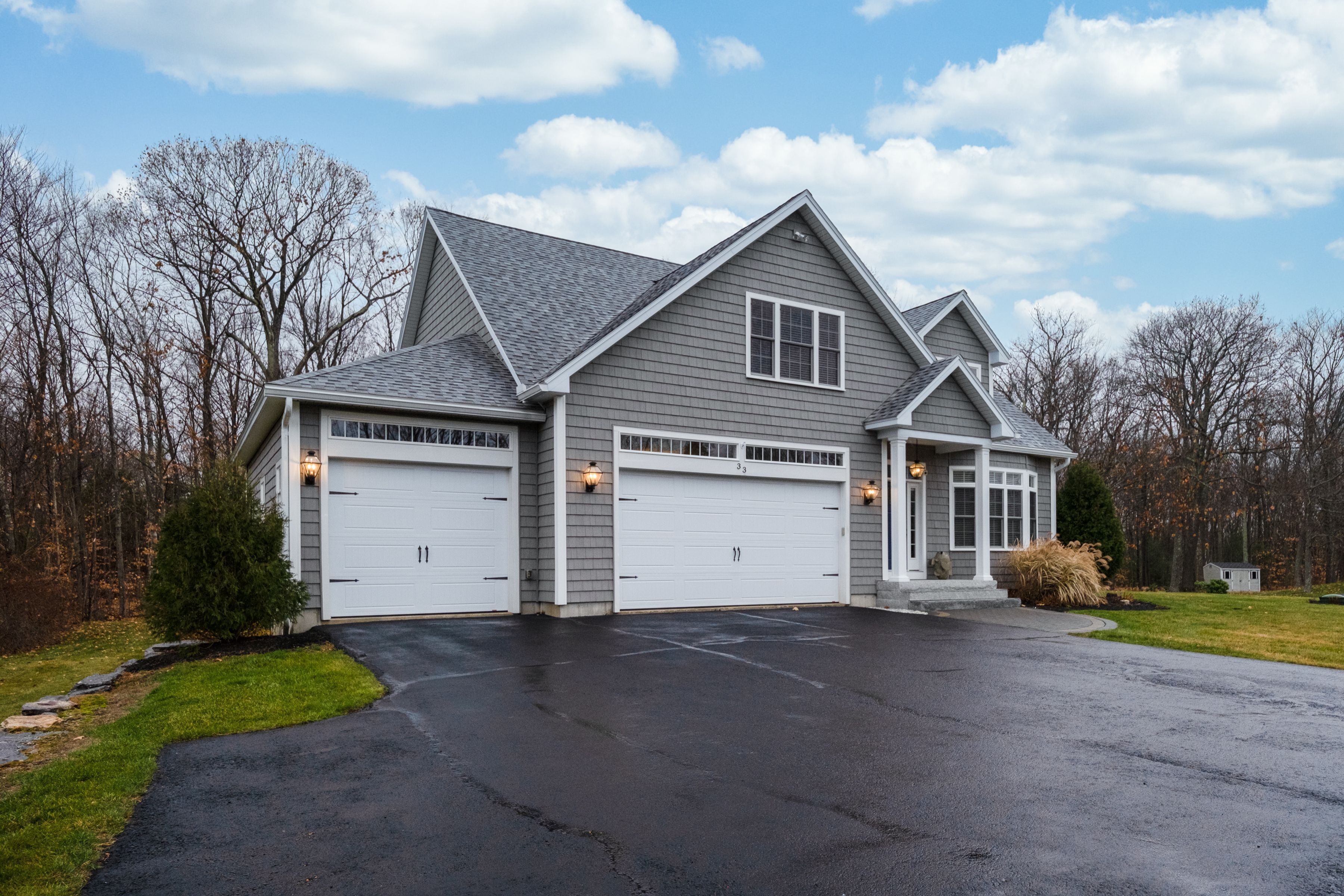
Choosing the right paving solution for your home starts with understanding your specific needs. Consider the purpose of the area you want to pave. Are you looking to create a driveway, patio, walkway, or garden path? Each of these has unique requirements and will influence your choice of materials and design.
It's also essential to consider the climate and weather conditions in your area. Certain materials may perform better in specific climates, offering enhanced durability and resistance to weather-related wear and tear.
Exploring Material Options
There are several paving materials to choose from, each with its own advantages and disadvantages. Here’s a brief overview:
- Concrete: Durable and versatile, concrete is a popular choice for driveways and patios.
- Brick: Known for its classic look, brick offers excellent aesthetic appeal but may require more maintenance.
- Natural Stone: Provides a luxurious appearance and is highly durable, though it can be more expensive.
- Gravel: Cost-effective and easy to install, gravel is ideal for informal settings.
Considering Design and Aesthetics
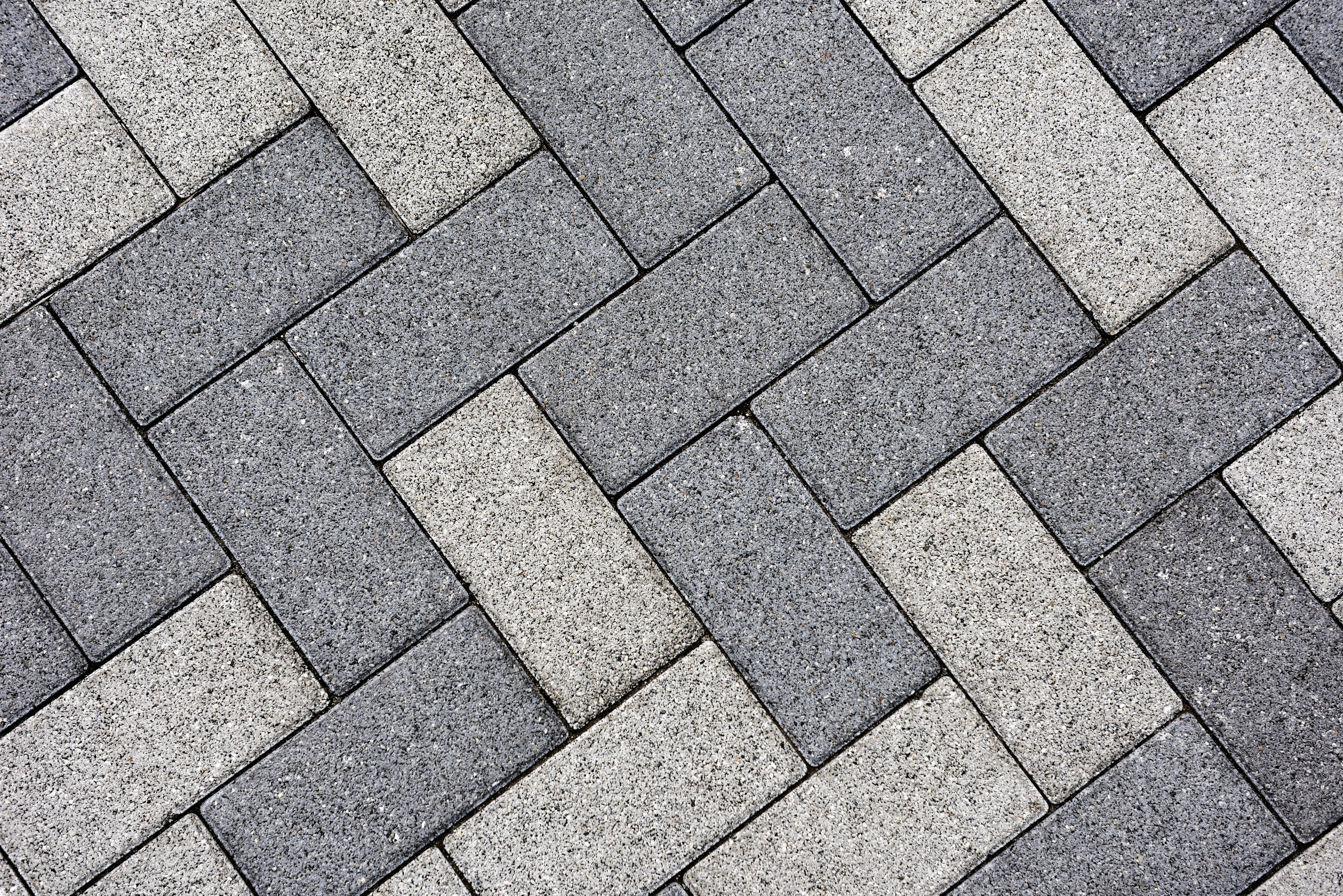
The design and aesthetics of your paving solution are crucial as they contribute to the overall look and feel of your home. Think about the color, texture, and pattern of the materials you choose. Your paving should complement your home’s architecture and landscape.
Consider incorporating decorative elements such as borders or inlays to add visual interest. A well-designed paving area can significantly enhance the curb appeal of your property.
Budgeting and Cost Considerations
Your budget will play a significant role in determining the paving solution you choose. While some materials like natural stone are more expensive, they offer longevity and minimal maintenance. On the other hand, options like gravel are more budget-friendly but may require more upkeep over time.
It's important to balance cost with quality and durability. Investing in a slightly more expensive material may save you money in the long run due to reduced maintenance and replacement costs.
Hiring a Professional vs. DIY
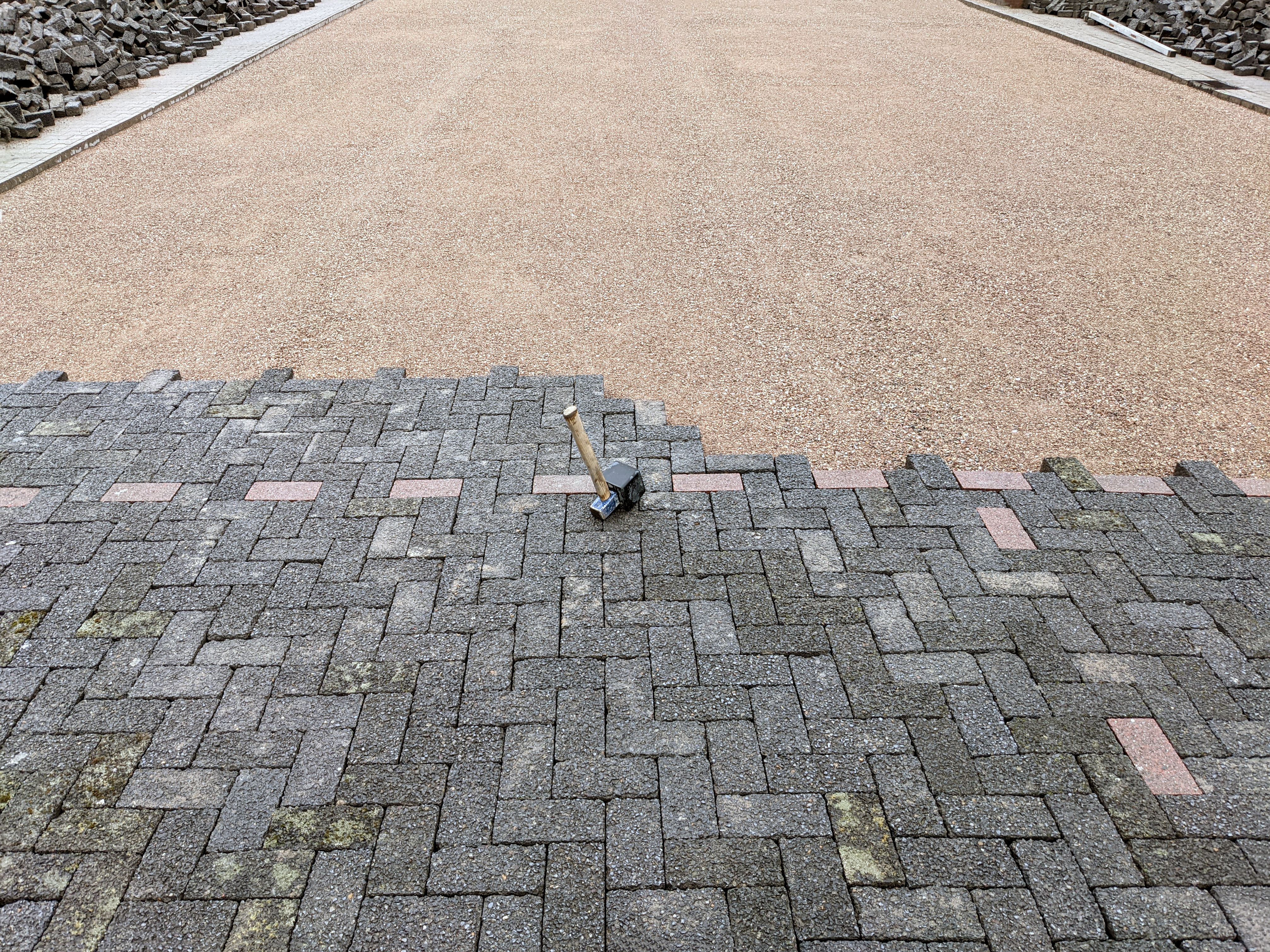
Deciding whether to hire a professional or tackle the project yourself depends on the complexity of the job and your level of expertise. Professional installation can ensure a high-quality finish and save time, but it comes at a higher cost.
If you opt for a DIY approach, make sure you have the necessary tools and skills to complete the project successfully. Research thoroughly and consider consulting a professional for advice if needed.